FIFA Confirms U.S. Will Co-Host 2031 Women's World Cup
FIFA has ratified a four-nation bid led by the United States to host the expanded 2031 Women's World Cup, with a separate U.K. project secured for 2035.
By Luca Shevchenko ·
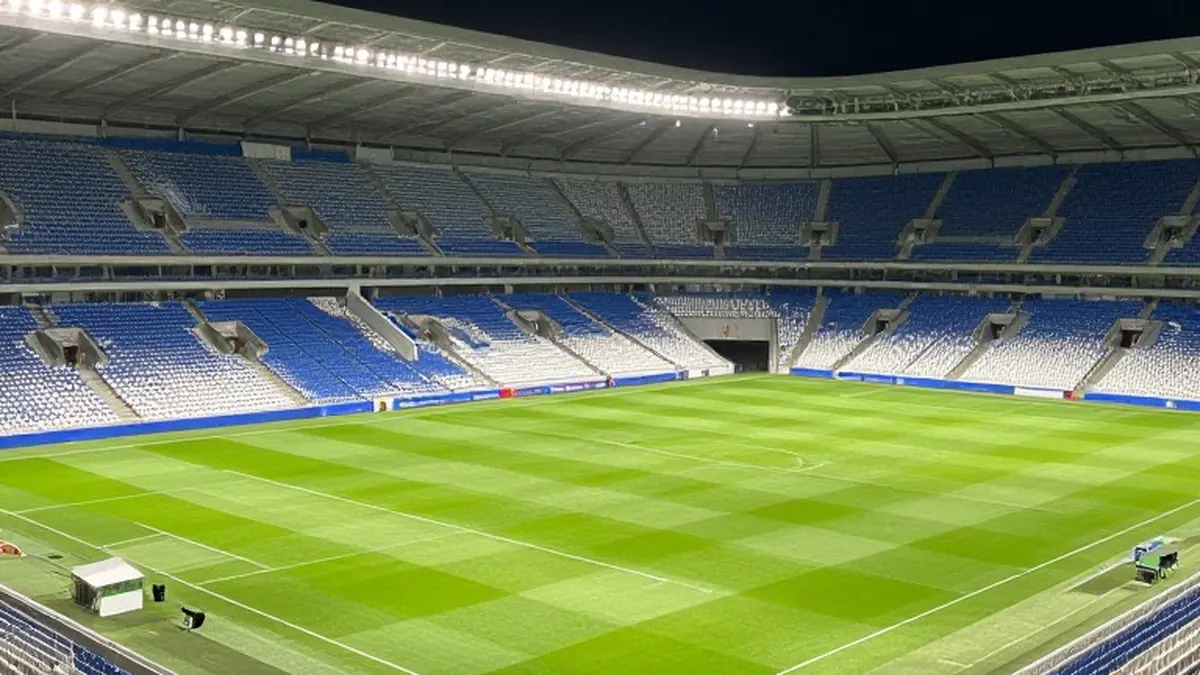
FIFA officially confirmed on Monday that the United States will lead a regional co-hosting effort for the 2031 Women's World Cup. The decision was made at the governing body's headquarters in Zurich, where the organization also ratified a separate proposal for the 2035 edition. This announcement marks a significant step in the expansion of the premier women's soccer tournament, which will feature 48 teams and 104 matches, setting a new standard for the sport's global footprint.
The 2031 hosting group consists of the United States, Mexico, Costa Rica, and Jamaica. This coalition presents FIFA with a network of potential venues across 20 cities. The U.S. portion of the bid includes 14 cities, while Mexico contributes four. Costa Rica will utilize San José, and Jamaica will host matches in Kingston. Among the American cities included in the proposal are Atlanta, which hosted men's World Cup games earlier this year, as well as Charlotte, Dallas, Denver, Houston, Kansas City, Los Angeles, Minneapolis, and Nashville. The bid also features MetLife Stadium in New Jersey.
A technical evaluation released by FIFA earlier this month gave the U.S.-led bid a score of 4.4 out of 5. The report noted that the proposal exceeded the minimum hosting requirements for the tournament. The inclusion of multiple established venues aims to provide flexibility and ensure that the expanded format can be managed effectively across the participating nations.
Cindy Parlow Cone, president of the U.S. Soccer Federation, addressed FIFA members during a pre-vote presentation. She described the upcoming event as the largest women's sporting event in history. Parlow Cone emphasized the responsibility that comes with this scale, stating, "Which means we have to deliver." The leadership team pledged to ensure commercially successful tournaments and to reinvest the generated revenue directly into the development of women's soccer.
Simultaneously, FIFA approved a U.K. project led by England for the 2035 Women's World Cup. This bid involves a partnership with Northern Ireland, Scotland, and Wales, offering a choice of 19 venues. The list includes Wembley Stadium in London. For Northern Ireland, the plan involves renovating Windsor Park in Belfast to a capacity of 23,000 seats. While this size is sufficient for the Women's World Cup, it is smaller than the 50,000-seat national stadium in Dublin, which is part of the Euro 2028 hosting arrangements.
The approval of these two bids followed a streamlined process with no rival candidates. The projects had a clear path over the past 20 months and were approved by acclamation in an online meeting involving FIFA's 211 member federations. This approach allows FIFA to secure hosting arrangements for the first expanded tournaments without the complexity of competing bids.
The 2031 and 2035 tournaments will align the women's competition with the men's World Cup, which expanded to 48 teams in the current cycle hosted by the U.S., Canada, and Mexico. Prior to this expansion, the 2027 Women's World Cup is scheduled to take place in Brazil with 32 participating teams. The move to 48 teams represents a major structural change designed to increase participation and commercial reach.
The United States has a strong history of hosting the Women's World Cup, having held the event alone in 1999 and 2003. The 1999 tournament was particularly notable as it featured the U.S. national team securing its second of four titles. In contrast, England has never hosted the women's tournament, which began in 1991 in China. England's last time hosting a World Cup of any kind was the men's edition in 1966, where they won their only title.
This double award is the second instance in less than two years where FIFA has confirmed hosts without facing opposition. In December 2024, member federations approved a six-nation bid for the 2030 men's World Cup, involving Spain, Portugal, Morocco, Argentina, Paraguay, and Uruguay. That decision paved the way for the subsequent fast-track award of the 2034 men's World Cup to Saudi Arabia, a process that was designed to limit other potential candidates.
The ratification of the 2031 and 2035 women's tournaments provides clarity for the decade ahead. By securing these major events, FIFA aims to capitalize on the growing popularity of women's soccer and ensure that the expanded format delivers both competitive quality and financial success for the sport's stakeholders.
More News · National news · Report a business · Got a Story?