Istanbul Protesters Demand Media Freedom Amid Rising Government Pressure
Thousands marched in Istanbul on Sunday to protest the takeover of Sozcu TV and a broader crackdown on independent journalism and opposition voices.
By Jisoo Kovalenko ·
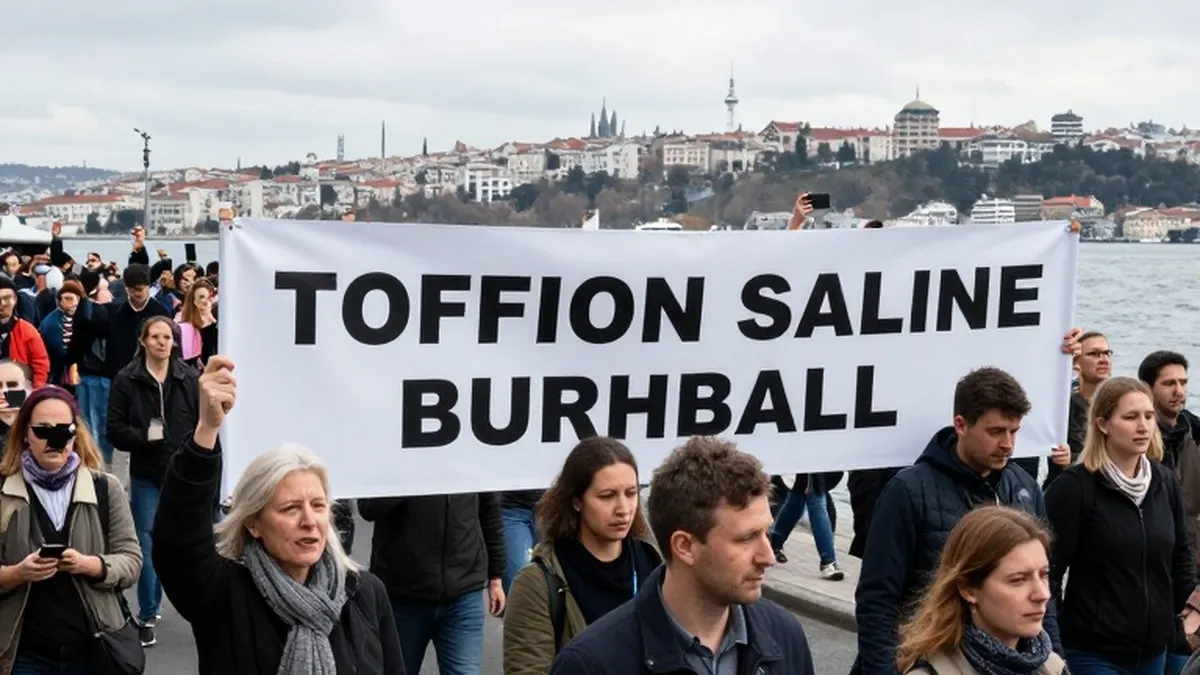
A large crowd of demonstrators gathered in Istanbul on Sunday to voice their opposition to what they describe as an expanding state crackdown on independent media and political rivals. The rally was organized by the Yeni Parti, the main opposition group, following recent police actions at the Sozcu TV news channel. Authorities had installed a government-appointed trustee at the broadcaster and detained several senior staff members in the days leading up to the protest.
This latest intervention marks the third significant takeover of an independent outlet in the past year. Similar measures were previously taken against Tele1, Halk TV, and T24, which operates as both Turkey’s most-watched news channel and a leading digital news website. The sequence of events has intensified concerns regarding the independence of the Turkish press.
Protesters moved through the Besiktas neighbourhood, carrying a large banner that read, "We want freedom of thought, freedom of the press and freedom for journalists." Witnesses reported that the crowd was animated, chanting and whistling as they marched. An AFP journalist noted the high energy of the demonstration as it progressed through the city streets.
As the marchers reached the shores of the Bosphorus, many expressed worry about the diminishing space for voices critical of President Recep Tayyip Erdogan and his administration. Tunay, a 64-year-old protester who did not provide her surname, told AFPTV that the press and opposition channels had been silenced. She described the nation as anxious and unhappy about the future, stating that all freedoms were on the verge of restriction.
Another demonstrator, also 64 years old and identified as Koksal, agreed that the country’s trajectory was concerning. He told AFP that the nation was living through a period where democratic rights had effectively disappeared. He noted that democratic journalists and opposition television channels were being shut down or blacked out, forcing many citizens to rely on social media for their news.
Koksal added that authorities were also targeting effective forms of social media, further narrowing the channels available for public discourse. He emphasized the frustration felt by those who feel their ability to access unbiased information is being systematically reduced by the government’s actions.
The pressure on media workers has intensified over the last two months. Several journalists were arrested in connection with their coverage of a multi-billion-dollar investment fund scandal. At least two of these reporters remain in pre-trial detention, highlighting the legal mechanisms being used to scrutinize critical reporting.
According to figures from the MLSA media rights group, twenty-five journalists are currently held in prison in Turkey. This number reflects the sustained pressure on press freedom that has characterized the past decade. The period has seen a rise in prosecutions, digital censorship, and government accusations that journalists are spreading fake news, drawing criticism from human rights organizations both domestically and internationally.
The Sunday rally in Istanbul serves as a visible marker of public resistance to these trends. By organizing a large-scale march, the opposition and civil society are seeking to highlight the stakes of the media struggle. The event underscores the growing tension between the government and those who advocate for an independent press and robust democratic rights.
The outcome of these protests will likely be watched closely as the government continues its oversight of media outlets. With journalists in custody and major news channels under trustee management, the balance of power in Turkish media remains a central issue for the country’s political landscape.