Nvidia Reinstates CEO Jensen Huang Following Presidential Intervention
Nvidia has brought back Jensen Huang as CEO after President Trump intervened following his sudden resignation over a suspected spy affair.
By Luca Shevchenko ·
Nvidia announced on Monday that it has reinstated Jensen Huang as its chief executive officer, marking a dramatic reversal in the company's leadership structure. This decision was made after direct contacts between President Donald Trump and the company's board of directors, according to statements from the president.
The reinstatement comes just two weeks after Huang initially stepped down from his role. His original resignation was prompted by a personal matter involving a relationship with a woman whom US intelligence agencies suspect is a spy for China. The sudden departure had significant repercussions for the global technology sector.
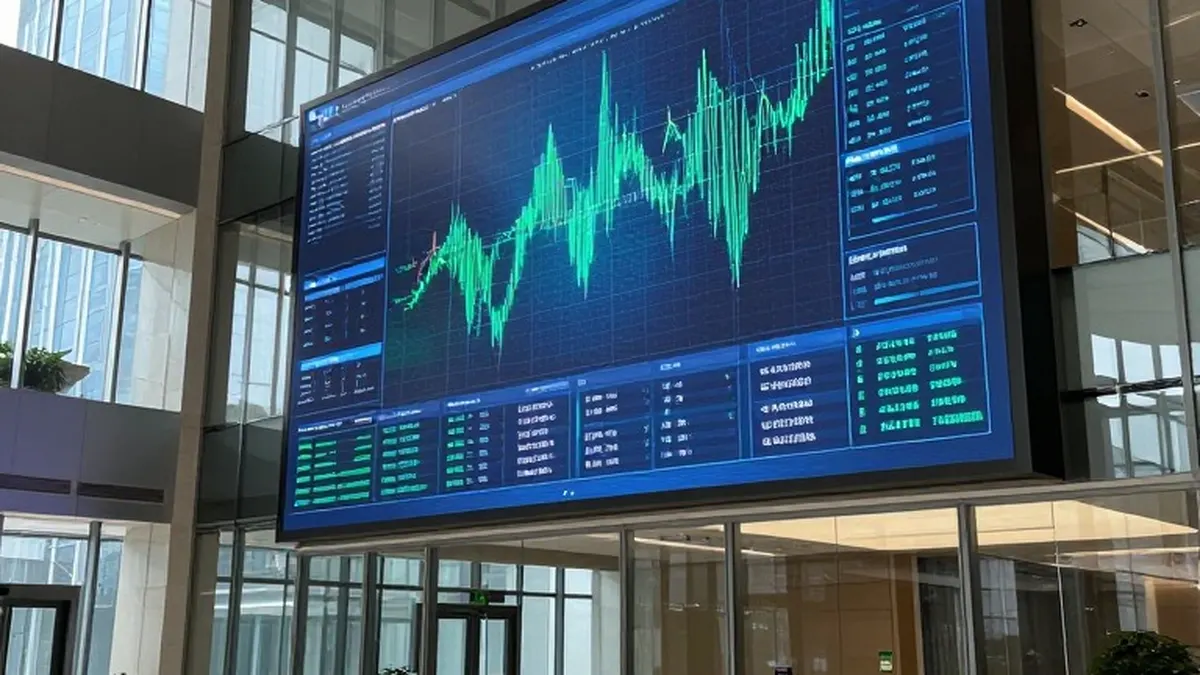
When Huang first announced his exit, Wall Street experienced a sharp decline. The move stoked widespread concerns regarding the health of the US economy, which is currently heavily reliant on the ongoing investment boom in artificial intelligence. Investors were particularly worried about how the change in leadership at the world's most valuable chipmaker might affect future growth and stability.
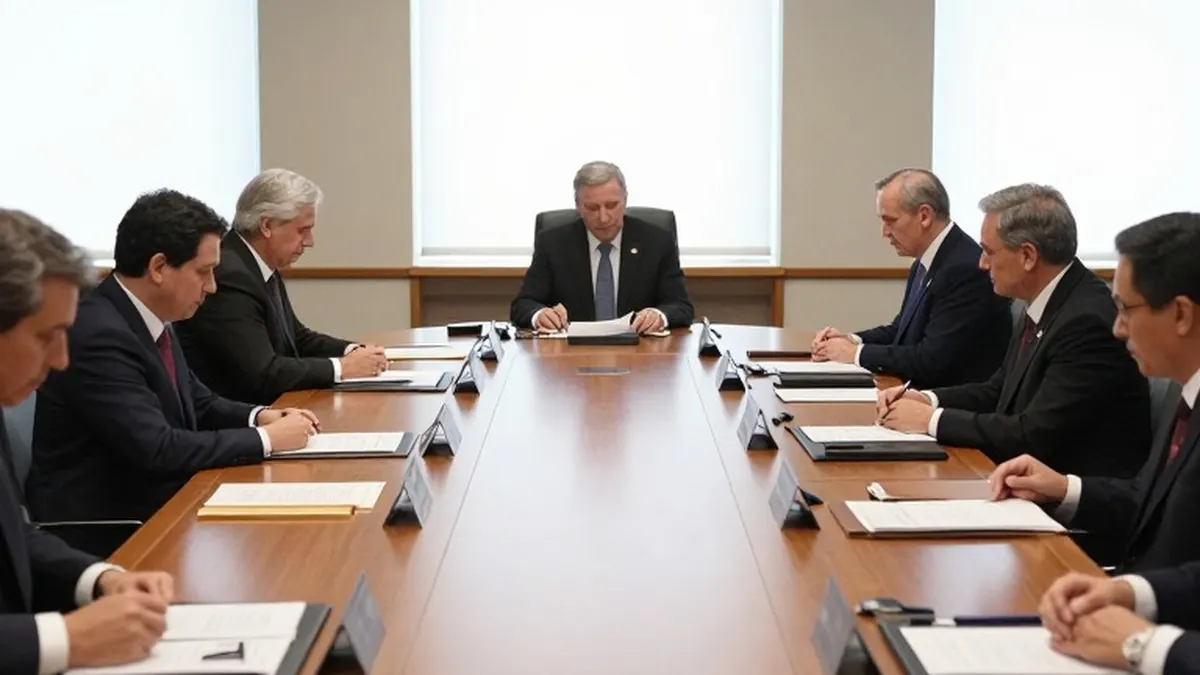
President Trump stated that he intervened in the situation to support the company's leadership. He indicated that his direct communication with the board members played a key role in the decision to bring Huang back to the helm. This level of presidential involvement in corporate governance has drawn attention to the close ties between the administration and major tech firms.
The woman at the center of the affair is suspected by US intelligence of working for China. This suspicion added a layer of geopolitical complexity to what began as a personal scandal. The potential security implications likely contributed to the initial decision by Huang to resign, aiming to prevent further scrutiny from distracting the company's operations.
The rapid turnaround in leadership has raised questions about the long-term stability of Nvidia's management. While the return of a familiar face may reassure some stakeholders, the underlying issues regarding the CEO's personal life and the geopolitical context remain present. Market analysts are closely watching how the company navigates this period of renewed focus on its top executive.
Nvidia remains a central player in the global AI market, and its leadership decisions have far-reaching effects. The company's ability to maintain its momentum in developing advanced chips and software will be critical in the coming months. The reinstatement of Huang suggests that the board believes his presence is vital for continuing their strategic initiatives.
This development highlights the intersection of personal conduct, corporate leadership, and national security interests in the modern tech industry. The episode serves as a reminder of the high stakes involved when leading a company that is pivotal to the nation's economic and technological strategy. As Nvidia moves forward, the market will continue to assess the impact of this leadership change on its performance.
The news was reported by France 24 correspondents Carys Garland and Wassim Cornet, who detailed the sequence of events leading to Huang's return. Their coverage emphasized the speed of the reversal and the significant role played by the president's office in facilitating the outcome. The story has since become a focal point for discussions on corporate governance and executive accountability.