Ben-Gvir approves funding for four firefighting helicopters
The National Security Minister has allocated funds to purchase four helicopters, a move expected to enhance aerial fire response capabilities and reduce long-term maintenance costs for the Israel Police.
By Luca Shevchenko ·
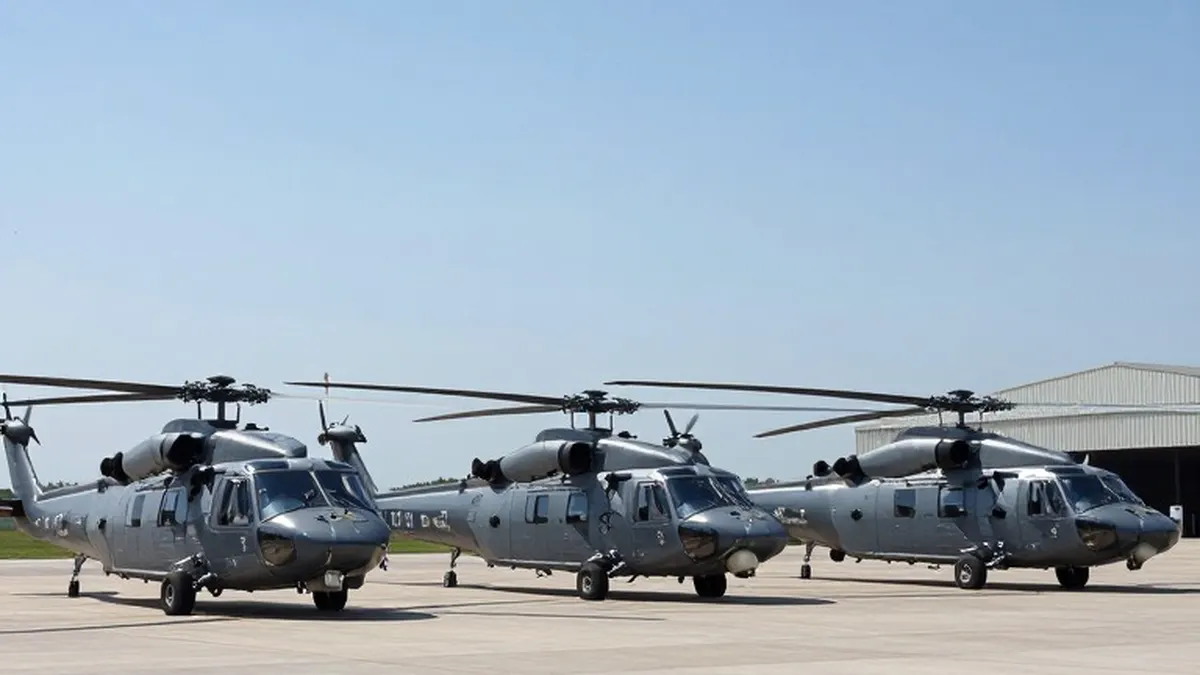
National Security Minister Itamar Ben-Gvir has approved increased funding to establish a dedicated firefighting helicopter squadron in Israel. The decision supports the procurement of four helicopters designed to improve the country's ability to respond to large-scale fires. This move follows operational requirements defined by the Israel Police and has received backing from both Ben-Gvir and Prime Minister Benjamin Netanyahu.
The Israel Police determined that a minimum of four helicopters is necessary to ensure an effective aerial response to major fires. Officials highlighted that these aircraft offer significant operational advantages over conventional firefighting planes. A single helicopter can carry and drop as much water as five standard firefighting aircraft. Furthermore, helicopters possess the ability to operate at night, which provides a critical advantage when fires continue to spread after darkness falls.
The government projects that this procurement will lead to substantial financial savings. By maintaining existing contract prices, the state estimates it will save approximately 42.5 million shekels in maintenance costs. Conversely, delaying the purchase until 2027 would likely result in higher expenses due to rising global raw material prices within the aviation industry.
The official statement clarified that the funding for the fourth helicopter will not be drawn from the police budget allocated for vehicle procurement or construction. This ensures that other critical infrastructure and equipment plans remain unaffected by the new aerial assets. The 2026 vehicle procurement budget remains consistent with the original financial plan, despite the additional funding for the helicopter squadron.
Over the five-year period through 2026, the Israel Police has been allocated approximately 1.5 billion shekels for vehicle procurement. In addition to this, the force received 1.4 billion shekels in cash funding specifically for construction projects. These allocations are part of a broader transfer of tens of billions of shekels to the police under Ben-Gvir's tenure, which the statement describes as an unprecedented level of funding from a national security minister.
The construction budget has reached a five-year high under this administration. For the first time, it includes 150 million shekels in authorized spending. This increase occurs even though the construction budget from the previous year was not fully utilized. The additional funding for the fourth helicopter does not require further spending authorization, allowing the project to proceed without disrupting existing financial frameworks.
The introduction of the helicopter squadron represents a strategic shift in how Israel manages wildfire risks. By combining superior water delivery capacity with night operation capabilities, the new assets aim to reduce the overall impact of fires on communities and infrastructure. The financial analysis suggests that early procurement is more cost-effective than waiting, reinforcing the decision to move forward with the purchase now.
The collaboration between the National Security Ministry and the Israel Police underscores a unified approach to emergency response. The funding structure ensures that the new helicopters are integrated into the existing operational framework without straining other budgetary priorities. This allocation reflects a long-term investment in public safety and resource efficiency.
As the aviation industry faces fluctuating material costs, the government’s decision to act promptly is intended to lock in favorable pricing. The estimated savings in maintenance further justify the investment, providing a clear economic rationale for the expansion of the aerial firefighting fleet.
The establishment of this squadron marks a significant enhancement in Israel's disaster response infrastructure. With the funding secured and the operational needs clearly defined, the procurement process is set to advance, bringing the new helicopters into service in the coming period.